ARTificial: A Reproductive Odyssey
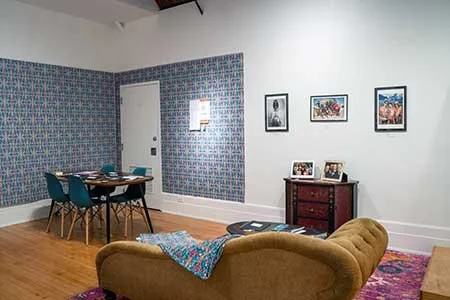
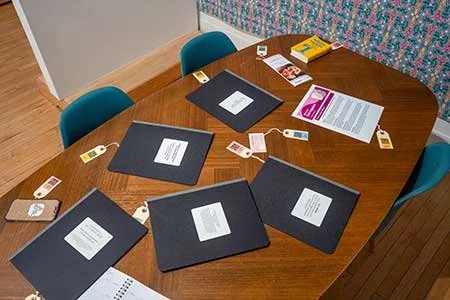
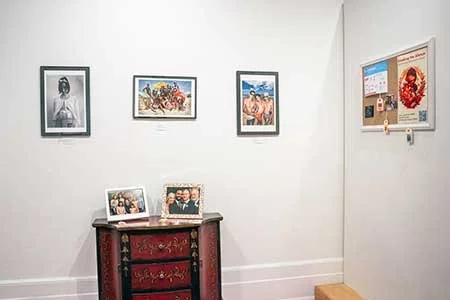
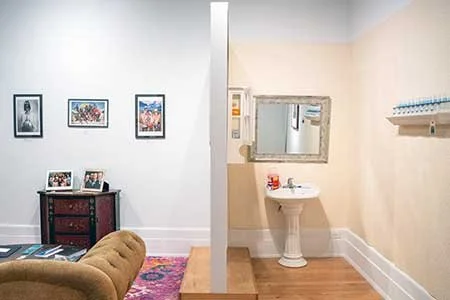
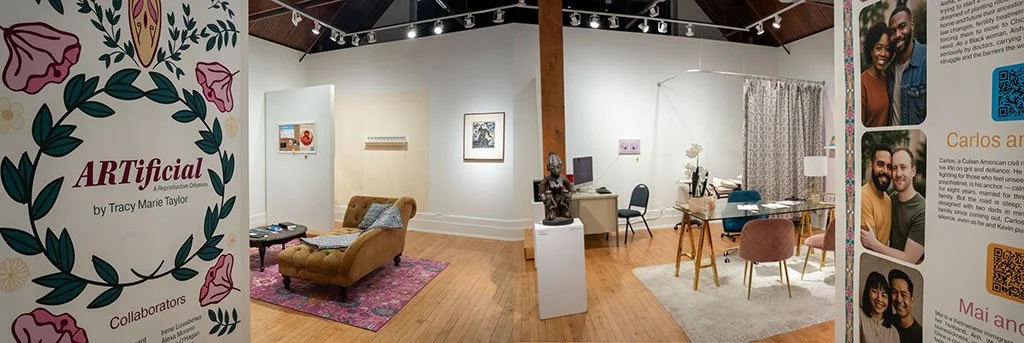
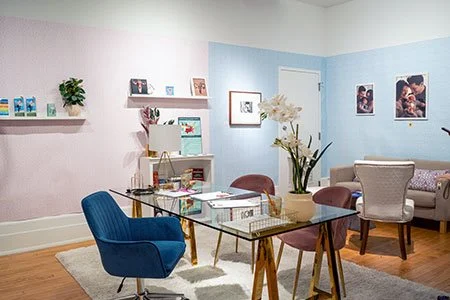
Originally presented as a multimedia installation at the Sonnenschein Gallery in August 2025, ARTificial: A Reproductive Odyssey now exists as interactive text and audio stories that follow three different couples as they navigate the complex landscape of infertility and assisted reproductive technology. Each couple's story explores how race, sexuality, geography, and systemic barriers shape their paths to parenthood. Click the "Learn More" button under each couple's description to listen to their intimate stories or read the full narratives at your own pace.

Aisha and Marcus
Aisha is an urban planner and activist determined to build a future with her husband, Marcus. They once planned to settle in Alabama, saving for the stability their ancestors were denied. After restrictive laws cut off fertility care, they relocate to Chicago. As a Black woman, Aisha must fight to be heard by doctors while carrying the emotional and physical toll of trying to conceive.

Mai and Anh
Mai is a Vietnamese immigrant who just moved to Austin with her husband, Anh. While he works at Dell, she battles homesickness, unable to work because of visa restrictions. Once a computer science graduate full of purpose, she now feels isolated and adrift. As she adjusts to this new life, her irregular periods and fears about starting a family weigh heavily on her.

Carlos and Kevin
Carlos is a Cuban American civil rights lawyer from Miami who has built his life on defiance and advocacy. Married to Kevin, a child psychiatrist whose calm steadies him, Carlos dreams of becoming a father. Estranged from his own family since coming out, he faces a fertility system never meant for two dads, yet presses forward with resolve and hope.



ARTIST STATEMENT
After undergoing ART treatments for nearly four years, I began questioning how much I relied on machines and technology to perform tasks I was taught should happen "naturally." This intimate experience with reproductive technology sparked my interest with a parallel inquiry: just as I am using AI to co-create narratives and exhibitions, fertility patients increasingly depend on algorithms to select embryos, track ovulation, and optimize treatment. Both realms raise urgent questions about authorship, agency, and what remains intrinsically human when machines shape our most creative acts.
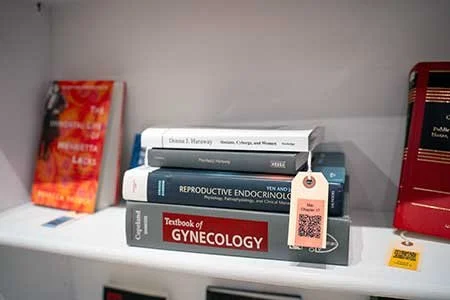
Drawing from Donna Haraway's "A Cyborg Manifesto," ARTificial explores the blurred boundaries between natural and artificial, human and machine. This multimedia installation, created through collaboration with artificial intelligence, follows three fertility journeys: Carlos and Kevin, a couple fleeing Florida's restrictive IVF laws; Aisha, confronting medical racism and undiagnosed fibroids; and Mai, designing fertility tracking apps while managing cultural expectations.
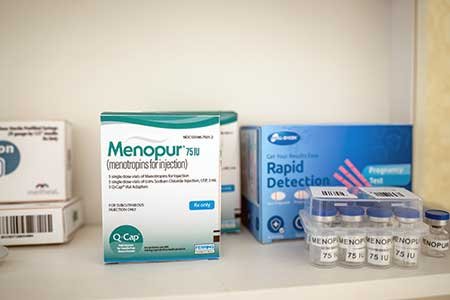
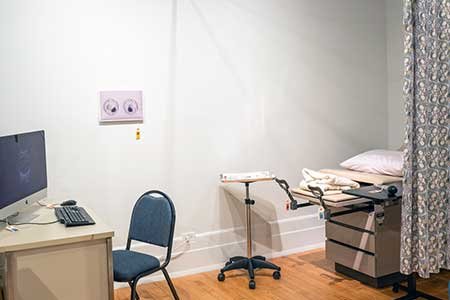
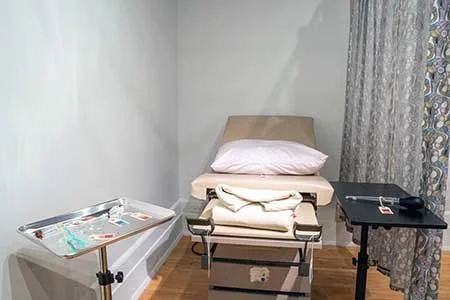
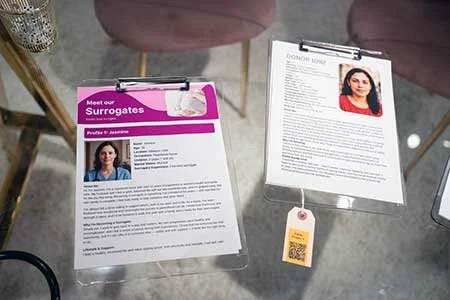
Visitors encounter curated objects—hormone pens, ultrasound images, legal documents—embedded with QR codes that unlock audio narratives. The exhibition deliberately blends authentic and AI-fabricated materials, deepening emotional resonance while highlighting how artificial intelligence enters our most intimate processes.
My work critiques the increasingly data-driven nature of reproductive care. From algorithmic embryo selection to predictive treatment models, patients navigate a medical landscape where technology transforms rather than merely assists reproduction. When algorithms influence which embryo becomes a child, who is the author of that life? When AI helps me craft stories, who owns the work?
ARTificial addresses how race, sexuality, immigration status, and geography shape reproductive experiences, examining exclusionary insurance policies, medical bias, and state restrictions on embryo storage. By creating art collaboratively with AI while exploring AI's role in creating life, this work prompts reflection on whether AI-assisted reproduction makes humans "artificial," or forces us to redefine what "human" means in an age of technological dependence.